


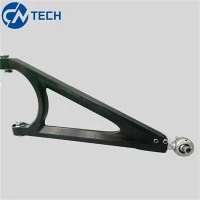

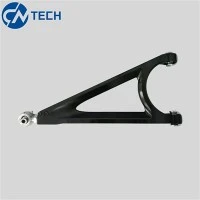
The handbrake primarily achieves parking by clamping through friction between brake shoes and the brake drum or between friction pads and the brake disc. Here is a detailed explanation:
Operating Principle
The handbrake, technically known as the auxiliary brake, primarily applies braking force to the vehicle via a mechanical steel cable connected to the rear brake shoes.
When the parking brake is engaged, the cable pulls the rear brake shoes into contact with the brake drum or disc, generating friction that prevents wheel rotation and secures the vehicle.
The return spring of the brake shoes remains stretched. When the handbrake is released, the return spring pulls the brake shoes back into position, disengaging the braking force.
Precautions
Prolonged use of the parking brake can cause plastic deformation in the steel cable, which is irreversible. This reduces effectiveness over time and increases the required travel distance.
Drivers should apply the parking brake firmly according to road conditions to ensure safety.
Regularly inspect the parking brake's operational condition to maintain proper functionality.