


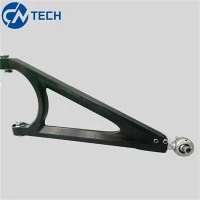

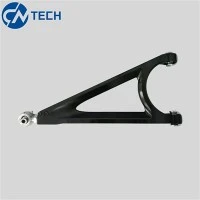
The brake pedal is one of the critical control components in vehicle operation. As the primary device for decelerating and stopping the vehicle, its function and usage directly impact driving safety.
Core Function and Positioning
The brake pedal (commonly known as the foot brake) is located on the driver's right foot side. It connects to the braking system to apply resistive torque to the wheels, achieving deceleration or stopping. In manual transmission vehicles, the pedals are arranged centrally (left clutch/center brake/right accelerator). Automatic transmission vehicles eliminate the clutch, retaining the right-side brake pedal alongside the accelerator.
Operational Types and Technical Characteristics
Predictive Braking: Apply gentle pressure in advance for precise stopping through gradual deceleration.
Emergency Braking: Fully depress the pedal in sudden situations, requiring both hands firmly on the steering wheel to maintain vehicle stability.
Combined Braking: Coordinates engine braking with the braking system, suitable for long-distance speed control.
Intermittent Braking: Use short, repeated brake applications during mountain descents to dissipate heat and prevent brake system overheating failure.
The hydraulic system employs a redundant dual-line design. If one line fails, 50% braking force remains, though pedal travel and pressure increase (free travel 0-30mm). Special note: When descending slopes in large vehicles, shift to a lower gear for auxiliary braking to avoid safety hazards caused by brake pad thermal fade.