


Can a hi misalignment spacer be used in conveyor systems? This is a question that many industry professionals often ponder. As a supplier of hi misalignment spacers, I am well - versed in the capabilities and applications of these products, and I'm here to share insights on their use in conveyor systems.
Understanding Conveyor Systems
Conveyor systems are the backbone of many industries, including manufacturing, mining, food processing, and logistics. They are designed to move materials from one point to another efficiently and continuously. These systems come in various types, such as belt conveyors, roller conveyors, and chain conveyors, each with its own set of requirements and challenges.
One of the critical aspects of conveyor system operation is alignment. Misalignment can lead to a host of problems, including uneven wear on belts or chains, increased energy consumption, and even system failure. For example, in a belt conveyor, misalignment can cause the belt to drift to one side, resulting in premature edge wear, spillage of materials, and potential jamming of the conveyor.
What is a Hi Misalignment Spacer?
A hi misalignment spacer is a specialized component designed to accommodate misalignment in mechanical connections. It is typically made of high - strength materials such as steel or engineered polymers, which can withstand the forces and stresses encountered in industrial applications.
The main function of a hi misalignment spacer is to provide a flexible connection between two components while allowing for a certain degree of angular, parallel, or axial misalignment. This flexibility helps to reduce the stress on the connected parts, extend their service life, and improve the overall performance of the system.
Benefits of Using Hi Misalignment Spacers in Conveyor Systems
1. Reducing Wear and Tear
In a conveyor system, misalignment can cause excessive wear on the conveyor belt, rollers, or chains. A hi misalignment spacer can absorb the misalignment forces, preventing direct transfer of these forces to the conveyor components. This results in less wear and tear, reducing the frequency of component replacement and maintenance costs.
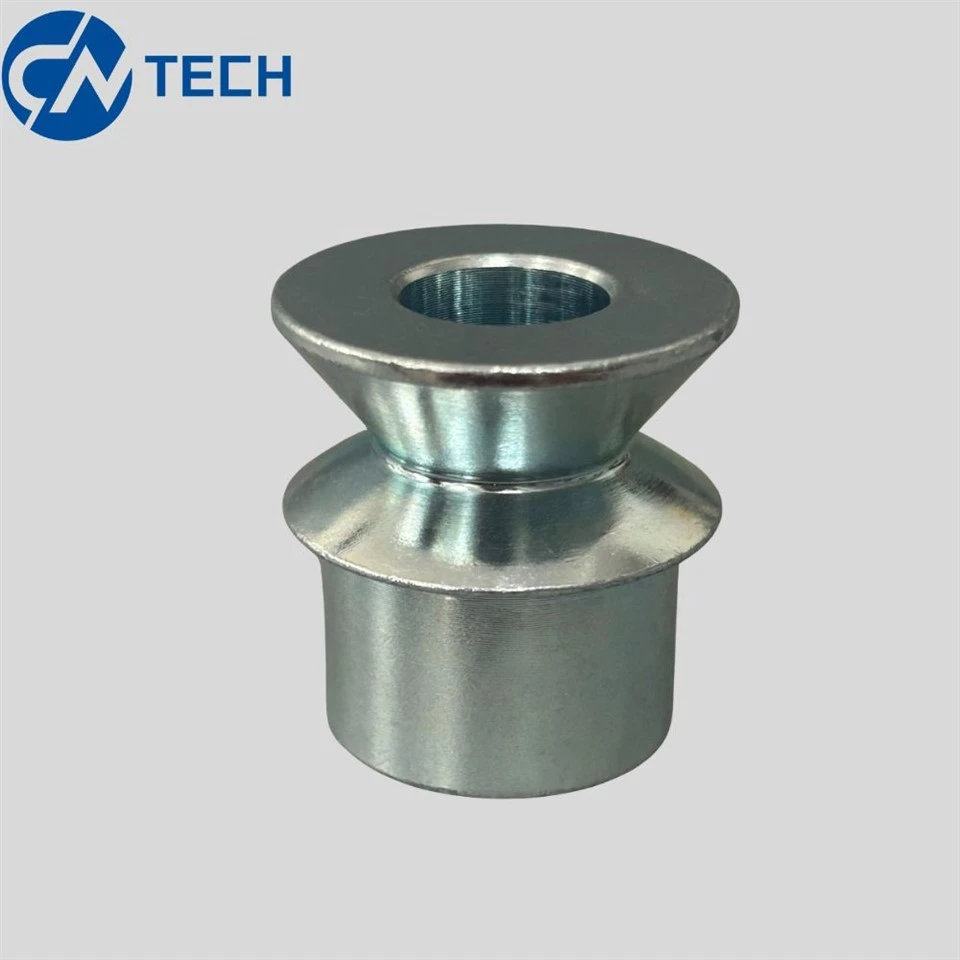

For instance, in a roller conveyor, if the rollers are not perfectly aligned, the hi misalignment spacer can compensate for the misalignment, ensuring that the load is evenly distributed across the rollers. This helps to prevent premature bearing failure and extends the life of the rollers.
2. Improving Energy Efficiency
Misaligned conveyor components can increase the resistance in the system, requiring more energy to operate. By using a hi misalignment spacer to correct the misalignment, the system can operate more smoothly, reducing the energy consumption. This not only saves on electricity costs but also contributes to a more sustainable operation.
3. Enhancing System Reliability
A conveyor system that experiences frequent misalignment issues is more prone to breakdowns. Hi misalignment spacers can improve the reliability of the system by minimizing the impact of misalignment on the conveyor components. This leads to fewer unplanned downtime events, ensuring continuous production and delivery of products.
Types of Hi Misalignment Spacers Suitable for Conveyor Systems
There are different types of hi misalignment spacers available, each suitable for specific conveyor system requirements. One such type is the Inch Misalignment Insert Spacer.
The inch misalignment insert spacer is designed to provide precise alignment adjustment in inch - based systems. It is often used in applications where the conveyor components need to be adjusted in small increments to achieve optimal alignment. These spacers are available in various sizes and materials, allowing for customization based on the specific needs of the conveyor system.
Installation and Maintenance of Hi Misalignment Spacers in Conveyor Systems
Proper installation of hi misalignment spacers is crucial for their effective operation. During installation, it is important to ensure that the spacers are correctly positioned and tightened to the appropriate torque. Incorrect installation can lead to reduced performance or even damage to the spacers and the conveyor components.
Regular maintenance of hi misalignment spacers is also necessary. This includes visual inspections for signs of wear, damage, or misalignment, as well as lubrication if required. By following the manufacturer's recommended maintenance schedule, the service life of the spacers can be maximized, and the performance of the conveyor system can be maintained.
Case Studies: Successful Use of Hi Misalignment Spacers in Conveyor Systems
In a large - scale manufacturing plant, a belt conveyor system was experiencing frequent belt misalignment issues. This led to excessive wear on the belt edges, frequent belt replacements, and significant production downtime. After installing hi misalignment spacers at the key connection points of the conveyor, the misalignment problems were effectively resolved. The belt wear was significantly reduced, and the production uptime increased by over 20%.
In a mining operation, a chain conveyor was struggling with misalignment due to the harsh operating environment. The hi misalignment spacers were used to compensate for the misalignment caused by vibrations and uneven terrain. As a result, the chain wear was minimized, and the conveyor system became more reliable, reducing the overall maintenance costs.
Considerations When Choosing Hi Misalignment Spacers for Conveyor Systems
When selecting a hi misalignment spacer for a conveyor system, several factors need to be considered. These include the type of conveyor system (belt, roller, or chain), the degree of misalignment expected, the load capacity of the system, and the operating environment.
For example, in a food processing conveyor system, the spacers need to be made of food - grade materials to ensure compliance with hygiene standards. In a high - temperature environment, such as a foundry, the spacers need to be able to withstand the elevated temperatures without losing their performance.
Conclusion
In conclusion, hi misalignment spacers can be effectively used in conveyor systems to address the challenges posed by misalignment. They offer numerous benefits, including reduced wear and tear, improved energy efficiency, and enhanced system reliability. With the right type of hi misalignment spacer, such as the Inch Misalignment Insert Spacer, and proper installation and maintenance, conveyor systems can operate more smoothly and efficiently.
If you are interested in learning more about how our hi misalignment spacers can improve the performance of your conveyor system, or if you have specific requirements for your industrial application, we invite you to contact us for a detailed discussion. Our team of experts is ready to assist you in selecting the most suitable products and providing professional advice.
References
- Conveyor Handbook, Industrial Conveyor Association
- Mechanical Design for Manufacturing, John Wiley & Sons
- Misalignment and Its Effects on Industrial Machinery, ASME Publications